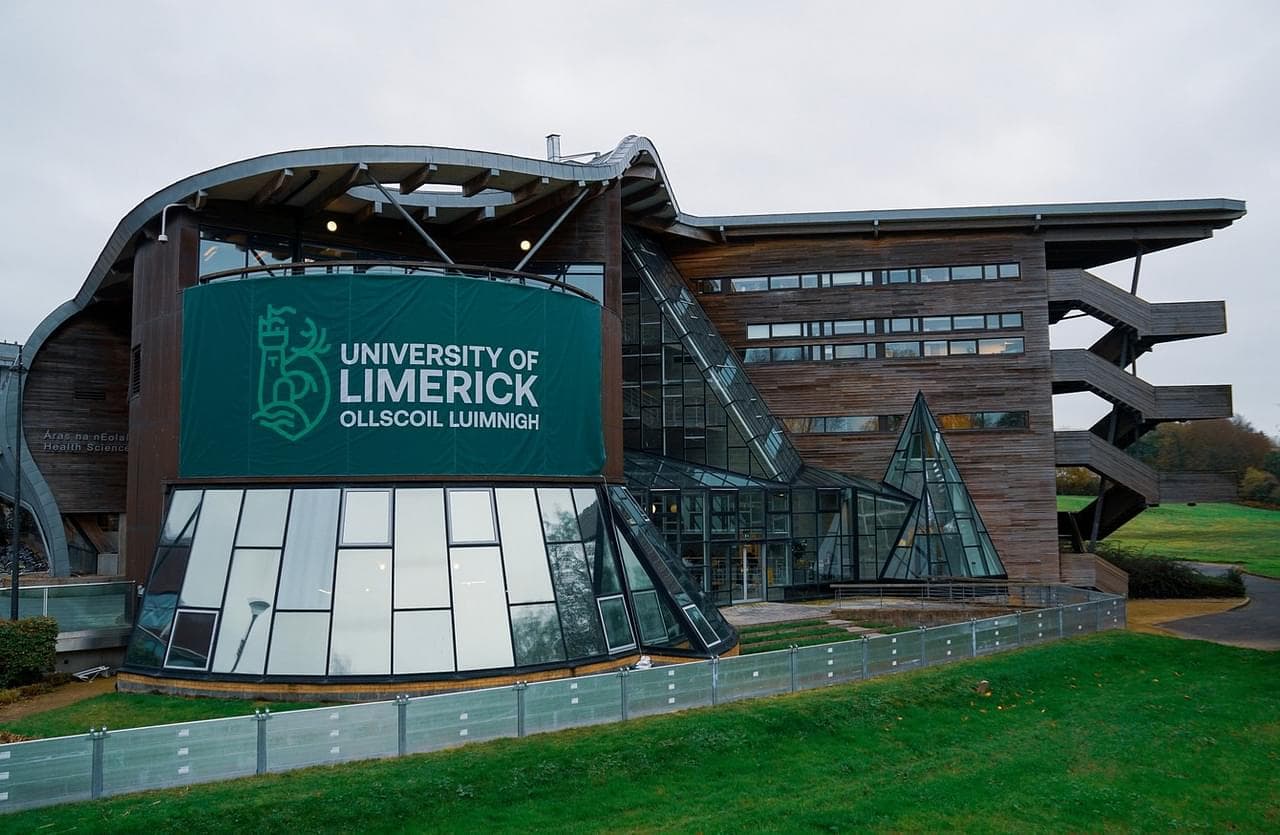
Computer Science (Common Entry) offers exposure to a variety of subjects relating to different areas of computing such as general programming, knowledge of computer architecture, games modelling, and an understanding of the mathematical basis that underpins computing. Our well-equipped and modern laboratories will enable you to acquire practical experience and skills with confidence. You will follow a common first-year programme of study and then select one of the three BSc programmes during the second semester. During the first year you will become well-versed in a range of computing subjects, and therefore, can make better choices that suit your particular needs and interests.
The modules in first year provide students with a foundation in Object-Oriented Programming (OOP) in Java and python, and introduce functional and assembly languages. The modules are selected to give insights into the three Denominated Programmes (options), these being (a) BSc Computer Systems, (b) BSc in Cyber Security and IT Forensics, and (c) BSc Computer Games Development.
BSc in Cyber Security and IT Forensics focuses on the construction of safe and secure networks and systems of the future. The basics of computation are discussed in the computer science modules. The structure and operation of a computer and networks are presented in the computer organisation modules. The Games Design module introduces design and programming of games. A basic competency in discrete and computer maths is necessary for all of the above, and for the Artificial Intelligence and Data Science streams in years 3 and 4 of two of the Denominated Programmes. Abstraction and problem solving are fundamental in computer science and these are covered in the module Representation and Modelling.
Semester 1
- Representation and Modelling
- Introduction to Programming
- Foundations of Computer Science 1
- Fundamentals of Computer Organisation
- Discrete Mathematics
Semester 2
- Games Modelling Design
- Software Development
- Foundations of Computer Science 2
- Computing Systems Organisation
- Computer Maths 2